Materials
-
Boning
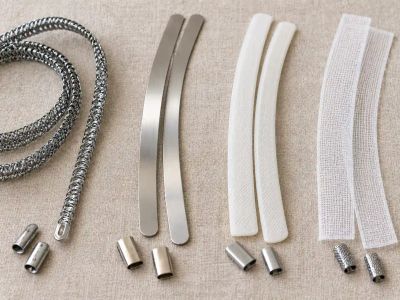
The strips that give corsets and fitted bodices their structure - spiral steel, flat steel, synthetic whalebone and Rigilene compared, sizes, buying pre-cut or by the metre, and capping the ends.
-
Cotton Poplin
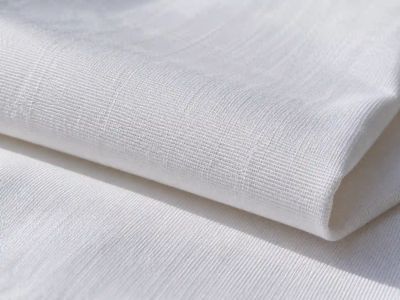
A crisp, tightly woven plain-weave cotton used for shirts, dresses and first projects - how it's made, how to choose a good one, pre-washing, cutting, sewing and pressing it.
-
Elastic
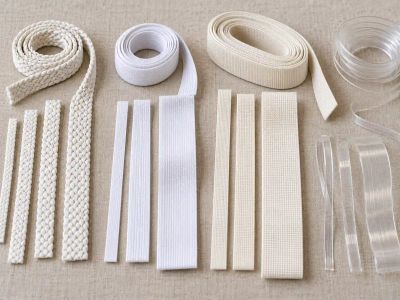
Braided, knitted, woven, clear and specialty elastics compared, how to measure and cut elastic to length, casing vs stitched-on methods, and joining the ends so the waistband doesn't twist or roll.
-
Fusible Interfacing
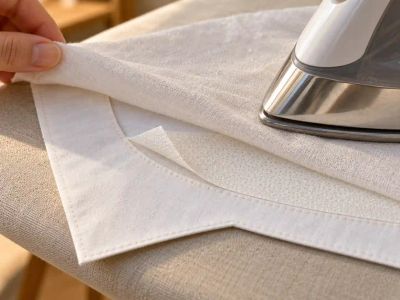
The support layer that keeps collars, waistbands and buttonholes in shape - woven, knit and non-woven types, matching weight to fabric, fusing it so it doesn't bubble, and when to use sew-in interfacing instead.
-
Knit Fabrics
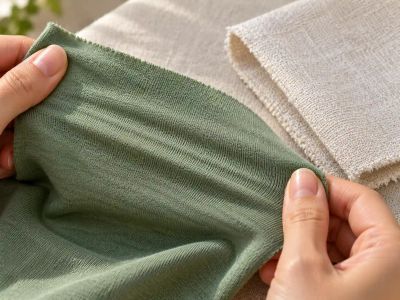
How knits differ from wovens, the main types (jersey, rib, interlock, ponte, French terry, sweatshirt fleece), measuring stretch percentage, and the needles, stitches and seams that keep knit garments from popping.
-
Lining Fabrics
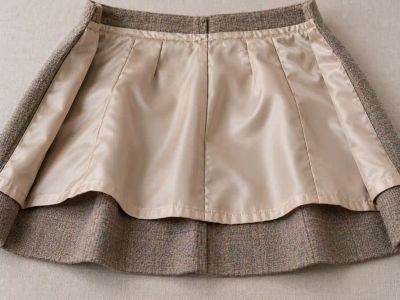
What a lining does, how to choose between Bemberg, acetate, polyester, silk, cotton and knit linings, how much ease a lining needs, and the basics of lining skirts, dresses and jackets.
-
Silk Chiffon
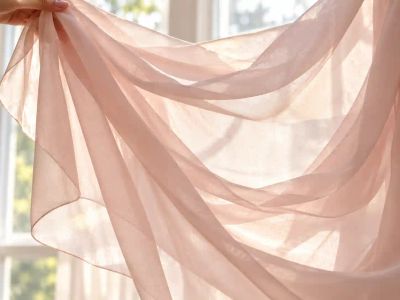
A sheer, floaty silk with a crepe texture - how it's made, how to cut and stabilise it, needles and seams that work, hemming, and how to tell real silk from polyester chiffon.
-
Synthetic Fibers
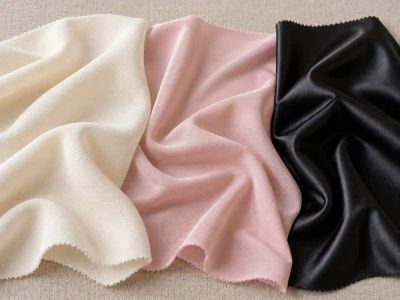
Polyester, nylon, acrylic, spandex and the semi-synthetics (rayon, acetate, lyocell) explained - how they behave, how to press and sew them, how to identify an unknown fabric with a burn test, and their environmental trade-offs.
-
Wool Flannel
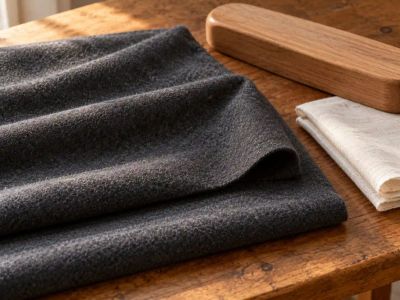
A soft, lightly brushed wool used for trousers, skirts, jackets and coats - how it's made, choosing a weight, pre-shrinking, cutting with nap, pressing without shine, and why it's ideal for learning tailoring.


