History Timeline
Victorian
1837–1901-
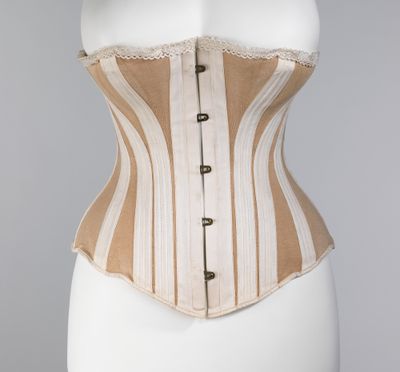 Victorian Corsetry
How Victorian corsets were made and how their shape changed from the 1840s to 1900 - steel boning, metal eyelets, the split busk and steam moulding - plus myths, reform, and what to know before sewing a reproduction.

Edwardian
1901–1914-
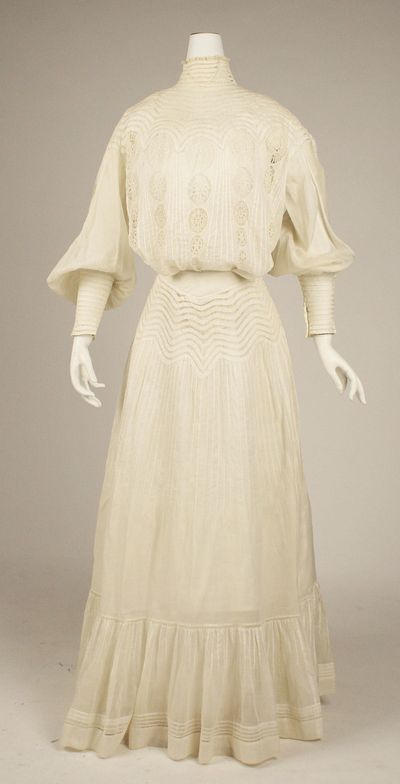 Edwardian Era
Western fashion from 1901 to about 1914 - the S-bend corset and pouter-pigeon bodice, lingerie dresses and tailor-mades, the straighter silhouette after 1908 - and how to sew Edwardian-style tucks, lace insertion and gored skirts.

1920s
1920–1929-
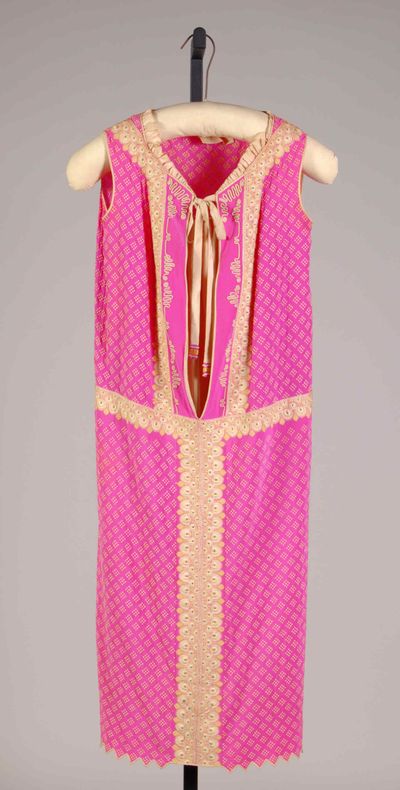 1920s Flapper Silhouette
The dropped waist, straight lines and rising hemlines of the 1920s - how the silhouette changed through the decade, Chanel, Lanvin and Patou, beading on chiffon, home sewing, and how to construct a 1920s dress.

1930s
1930–1939-
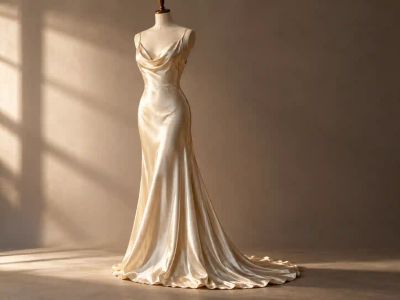 1930s Bias-Cut Silhouette
How the 1930s brought back the natural waist and body-skimming curves through the bias cut - Vionnet, Hollywood's influence, the Letty Lynton dress, broad shoulders at the end of the decade - and how to cut and sew a bias gown.

1940s
1940–1949-
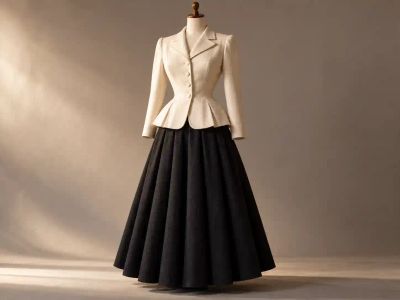 The New Look (1947)
Christian Dior's February 1947 collection - the wartime rationing it broke with, the Bar suit and Corolle line, why it caused protests - and how its padded, boned, full-skirted construction works.

1950s
1950–1959-
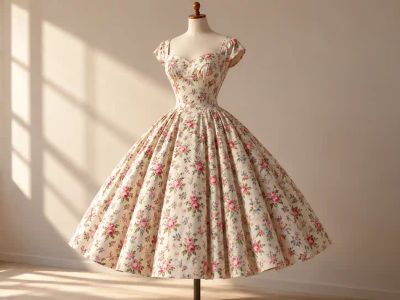 1950s Hourglass Silhouette
The full-skirted and sheath silhouettes of the 1950s, how they evolved from the New Look to Balenciaga's 1957 chemise, the boom in home sewing and nylon, and how to sew a 1950s-style dress with the right foundations.

1960s
1960–1969-
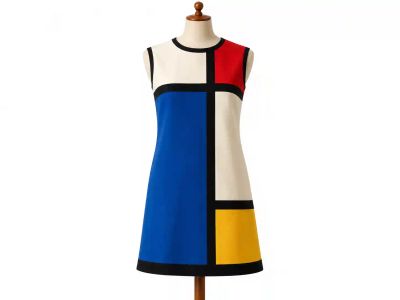 1960s Mod Silhouette
The 1960s in three silhouettes - ladylike early-decade suits, the mod shift and miniskirt, and the late-decade maxi - with Quant, Courrèges, Cardin and Saint Laurent, new synthetics, and how to sew a 1960s shift dress.

1970s
1970–1979-
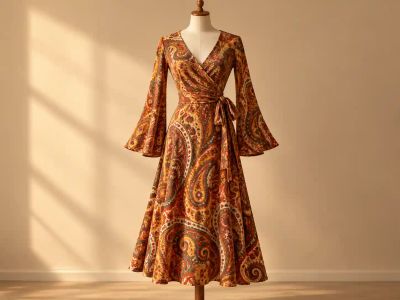 1970s Eclectic Silhouette
A decade of several styles at once - prairie and boho, disco and Halston, Diane von Furstenberg's wrap dress, Annie Hall menswear and punk - with polyester everywhere, and how to sew a wrap dress.

1980s
1980–1989-
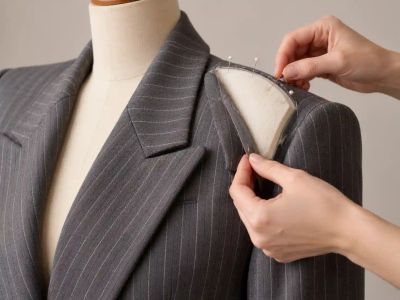 1980s Power Dressing
Big shoulders and body-conscious stretch - power suits as women moved into management, Lycra and aerobics wear, Japanese deconstruction - and how to build a 1980s padded-shoulder jacket and a stretch body-con dress.

1990s
1990–1999-
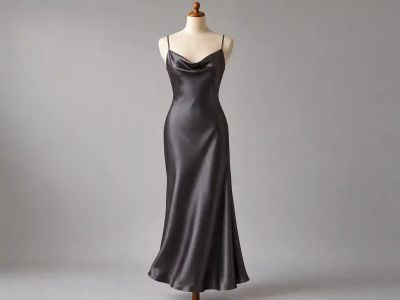 1990s Minimalism and Grunge
Grunge's flannel and thrift-store layers, Marc Jacobs' 1993 Perry Ellis collection, the minimalism of Calvin Klein, Jil Sander and Helmut Lang, the slip dress, and the late-decade boho turn - plus how to sew a bias slip dress.

2000s
2000–2009-
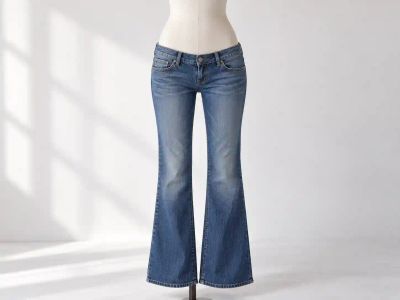 2000s: Low-Rise and Fast Fashion
Low-rise jeans and crop tops, the denim decade, velour tracksuits and logo 'It' items, boho chic, celebrity and online shopping, and the rise of fast fashion - plus what it means for sewing low-rise trousers today.

2010s
2010–2019-
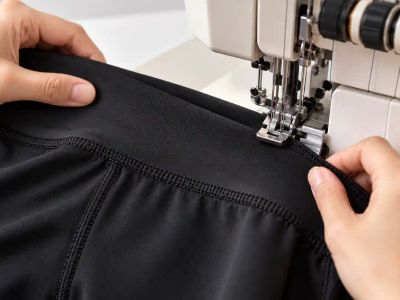 2010s Athleisure Silhouette
Activewear as everyday clothing, normcore, white trainers and streetwear, Instagram's effect on trends, the 2013 Rana Plaza collapse, and the revival of home sewing - plus what it takes to sew activewear.

2020s
2020–2029-
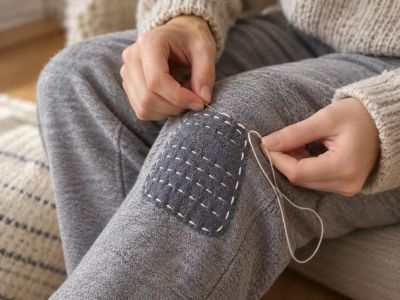 2020s: Comfort and Nostalgia
Fashion so far this decade - pandemic loungewear and the sewing boom, cottagecore, the fast Y2K and 1990s revival, 'quiet luxury', microtrends and ultra-fast fashion, and the growth of mending and secondhand clothing.

Not tied to one era
Cross-era pieces that don't belong to a single point on the timeline above.
-
Evolution of Undergarments
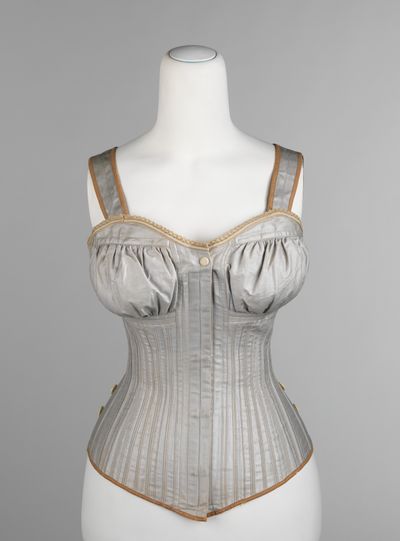
How the foundations under Western women's clothes changed from the Victorian corset and crinoline to the bra, girdle, tights, sports bra and shapewear - and why every change underneath reshaped the clothes on top.
-
Notable Figures
The people behind techniques and tools still used in dressmaking - Elias Howe and Isaac Singer, Charles Frederick Worth, Ellen Demorest and the Buttericks, Mary Phelps Jacob, Madeleine Vionnet, Coco Chanel, Claire McCardell, Christian Dior and Mary Quant.
-
Tailoring vs. Dressmaking Traditions
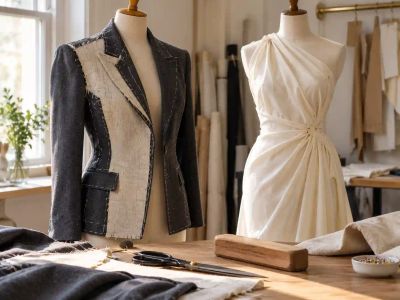
How tailoring and dressmaking grew up as separate trades - guilds, the 1675 Paris seamstresses' guild, the women's tailor-made, Savile Row - and how their techniques still differ: canvas and pressing versus draping and fitting.


